Value Stream Mapping (VSM) is a visual, data-driven method for tracing how a product or service actually moves from the initial customer request to final delivery — every handoff, wait, and approval included.
Because it maps the full path rather than a single department, VSM surfaces the delays and rework that live between functions: the approval that sits in someone's inbox for two days, the batch waiting on a shared machine, the same data re-entered into three separate systems. Those are the costs that a department-level process review alone tends to miss.
The output is a current-state map, a future-state map, and a specific list of the gaps between them — the basis for the implementation plan that follows.
At True North Solutions, Value Stream Mapping is where every engagement starts, because you can't redesign a process you haven't first watched end to end.
| Aspect | Value Stream Mapping | Process Mapping |
|---|---|---|
| Focus | End-to-end process flow with a focus on value-added steps | Detailed analysis of individual processes |
| Scope | Spans across departments, highlighting interdependencies | Concentrates on a single process or workflow |
| Objective | Identifies waste, inefficiencies, and opportunities for improvement | Documents existing processes for analysis |
| Customer-Centricity | Emphasizes meeting customer needs and expectations | Primarily focuses on internal processes |
| Perspective | Traces the process across every function it touches | Provides a narrow, process-specific view |
Start by naming the specific goals and problems the mapping exercise needs to address — that's what keeps the rest of the work aligned with actual strategic objectives rather than becoming a mapping exercise for its own sake. Before the session itself, get three things in place:
Next, map the current state:
With the current-state map done, analyze what it shows:
Then design the future state:
Turn that future state into a plan:
Then execute it:
A future-state map that never gets revisited just becomes the next current state everyone's stuck with. Sustaining the gains takes two ongoing habits:
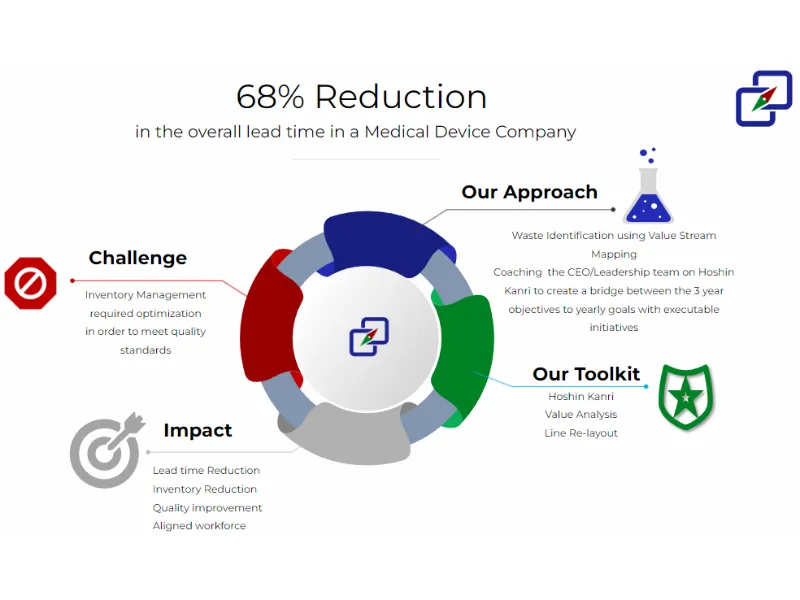
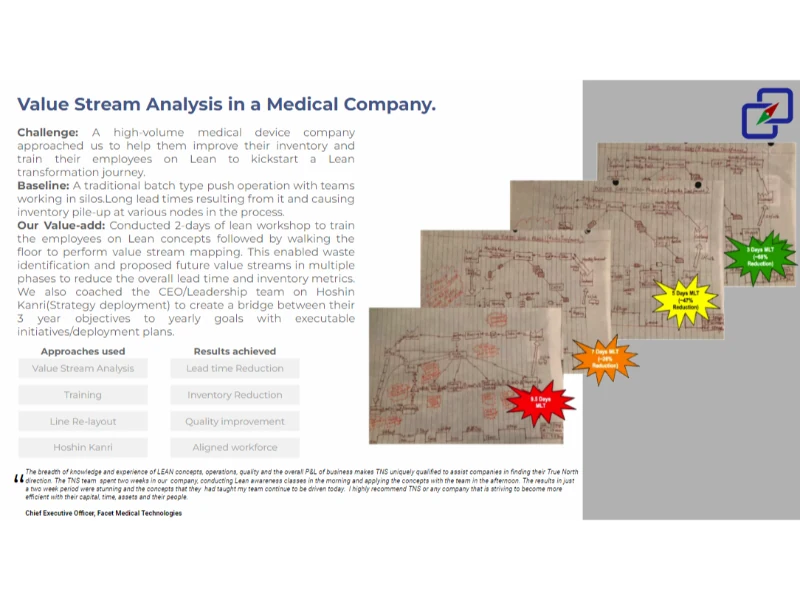
VSM is a visual tool used to analyze and improve the flow of materials and information in processes. It’s important as it helps organizations identify and eliminate waste, improve efficiency, and enhance customer satisfaction.
Yes, VSM is applicable to various industries, including manufacturing, healthcare, services, and more. Any organization seeking process improvement and operational efficiency can benefit from it.
The duration varies based on the complexity of the process being mapped. Projects can range from a few weeks for simpler processes to several months for more intricate ones.
You’ll need a cross-functional team representing various aspects of the value stream, access to relevant data and information, and a commitment to making necessary changes.
While it can start as a one-time project, continuous improvement is encouraged. Regular reviews and updates ensure that your processes stay optimized.
VSM often leads to significant cost reductions by identifying and eliminating waste, reducing lead times, and optimizing resource allocation. These savings can vary depending on the organization and process.
Technology can enhance the Value Stream Mapping process by facilitating data collection, analysis, and visualization, making it more efficient and data-driven.
Leadership commitment is crucial. Leaders should champion the initiative, provide necessary resources, and create a culture of continuous improvement.
Sustaining improvements means building the new process into daily routines, monitoring it over time, and providing the training and support needed to keep it in place.
Yes, VSM is versatile and applicable to both manufacturing and service industries. It’s about optimizing processes and delivering value, which is relevant across sectors.
How do I turn around my organization financially?
Are you facing challenges in streamlining your processes and eliminating wasteful practices?
How can robotic process automation and cybersecurity improve your operations?
Do you want continuous improvement and innovation built into how your organization works day to day?
Do you have complex global projects that require effective management to ensure successful outcomes?