
Toyota Kata: The Habit That Replaces the Five-Year Plan
Toyota Kata swaps a fixed long-range plan for a daily habit of aiming at a target condition and closing the gap one experiment at a time. What the practice looks like, and why mindset beats strategy.

The Dark Cockpit: Why the Best Dashboard Shows You Almost Nothing
Aviation and nuclear control rooms learned decades ago that a screen lit up with every metric all the time is more dangerous than one that stays quiet until something needs attention.

Hoshin Kanri and the Catchball Process: It's a Yes Problem, Not a Strategy Problem
Most strategy deployment fails not because the plan is wrong, but because nobody in the room said no. Hoshin Kanri's catchball process forces the disagreement to happen before launch.

Go See (Genchi Genbutsu): Why a Spreadsheet Is Never the Shop Floor
Genchi Genbutsu — go and see for yourself — is Lean's oldest rule and the one most often skipped in favor of a dashboard review.

Turnarounds With a Walk: The Hidden Factory Behind a $1.2M Annual Loss
A company was losing $1.2 million a year and nobody in the building knew where. The loss was distributed across a process nobody had ever walked end to end.

The LEGO Digital Nudge: Why Going Digital Didn't Mean Fewer People
Everyone assumes digital transformation on the floor means fewer humans in the loop. One of LEGO's own plants bet the opposite way.

Ask How: The 5 Whys Fix for Defensive Root-Cause Conversations
Ask why enough times and people get defensive. Ask how instead, and the same person often starts solving the problem with you rather than defending themselves against it.

Why Most Lean Results Don't Stick — And What Actually Makes Them Last
Plenty of improvement initiatives produce a good final presentation. Fewer produce a change that's still there, unsupervised, six months later.

Trust Is the First Tool: Why Nothing Else Works Without It
No dashboard, kaizen event, or AI agent works on a floor that doesn't trust you yet. The actual first step of an improvement engagement isn't a framework.

The True North Alignment Code: Closing the Strategy Execution Gap
Strategy on a slide and strategy on the floor are rarely the same thing. The gap between them isn't a communication problem — it's structural, and it reopens on its own.

Turning Complaint Boxes into Kaizen Engines: A Greek Lesson
A locked complaint box in a Greek village collected grievances that never reached improvement cycles, turning feedback into bureaucracy. The same pattern appears on many shop floors where suggestion cards disappear into…

Stop the Line Medicine: Applying Andon to Clinical Workflows
Hospitals borrow assembly‑line language when they talk about “stopping the line” for a critical patient, but few have a real Andon cord that anyone can pull. Without a visible signal, clinicians keep working through…

Keeping Kaizen Gains Alive with a Five‑Minute Habit‑Check
Most teams launch a Kaizen event with energy, post a few before‑after photos, then fade back to old habits. The real work starts when the boards come down and the operators must decide what to keep. Without a simple…

Why a Locked Complaint Box Signals Deeper Cultural Issues
The story of a locked complaint box in Greece shows how a well‑intentioned tool can become a symbol of distrust when workers cannot see that their voices are heard. True feedback flows from open visual management,…
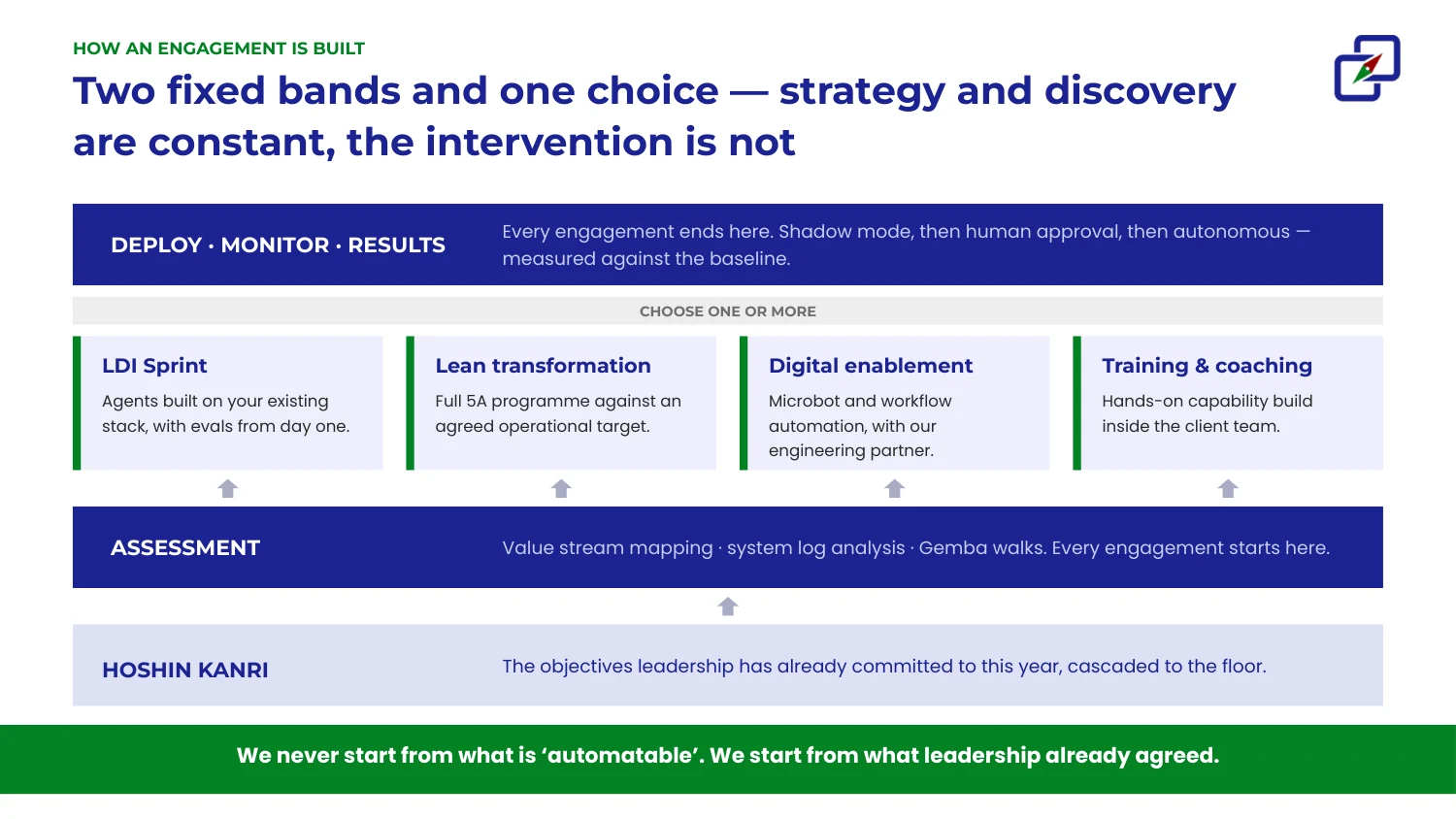
Agentic AI vs RPA: What Actually Belongs to Each One in Manufacturing Operations
RPA and agentic AI get used interchangeably in vendor pitches, but they solve different problems. Here is the actual dividing line, with a real example of where the two connect in a working tool.
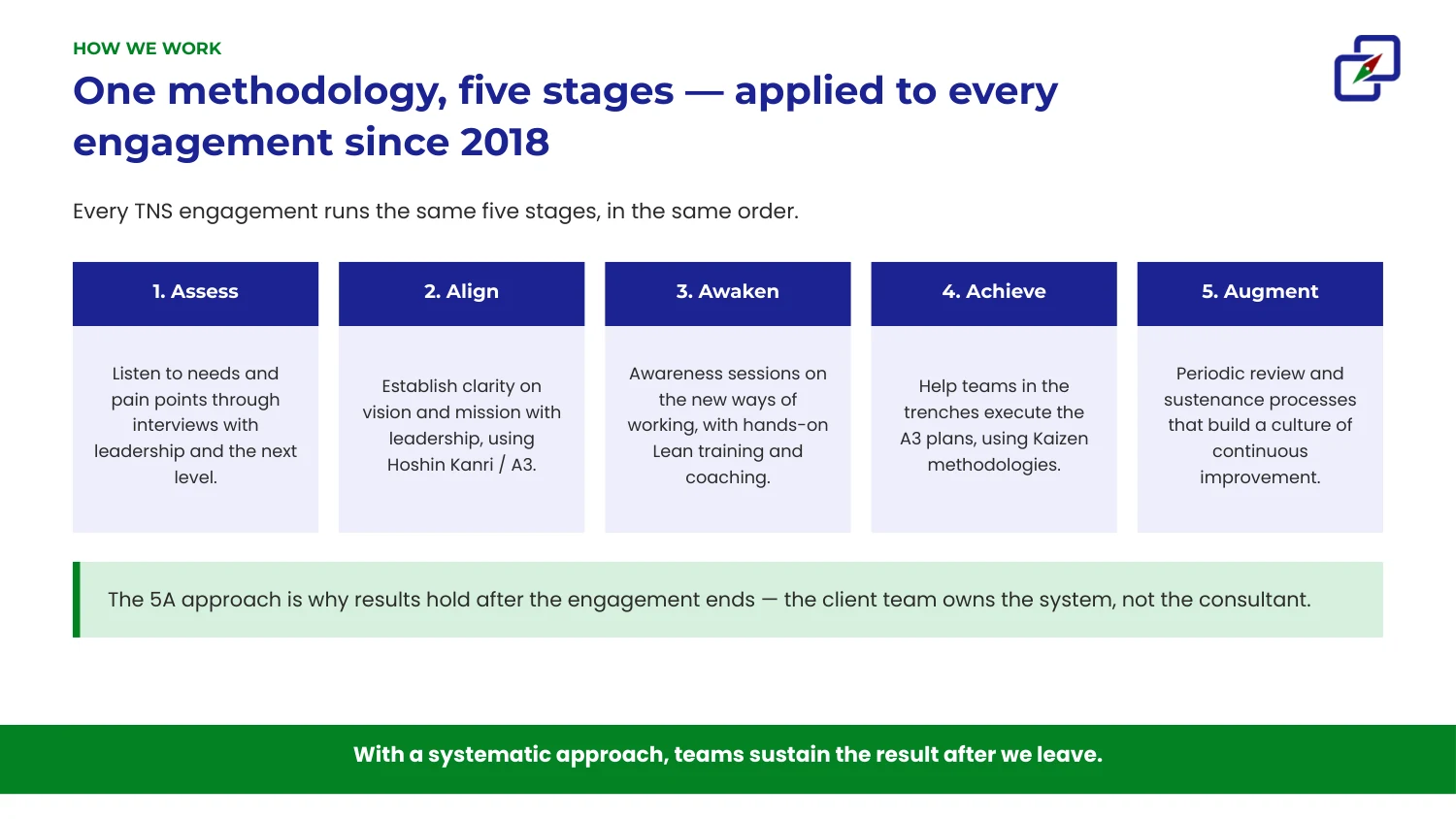
How Process Miner Builds a Value Stream Map From Your ERP Event Log
Most value stream maps are drawn from memory in a workshop. Process Miner builds one from the ERP event log instead, capturing the process that actually ran rather than the one everyone remembers.
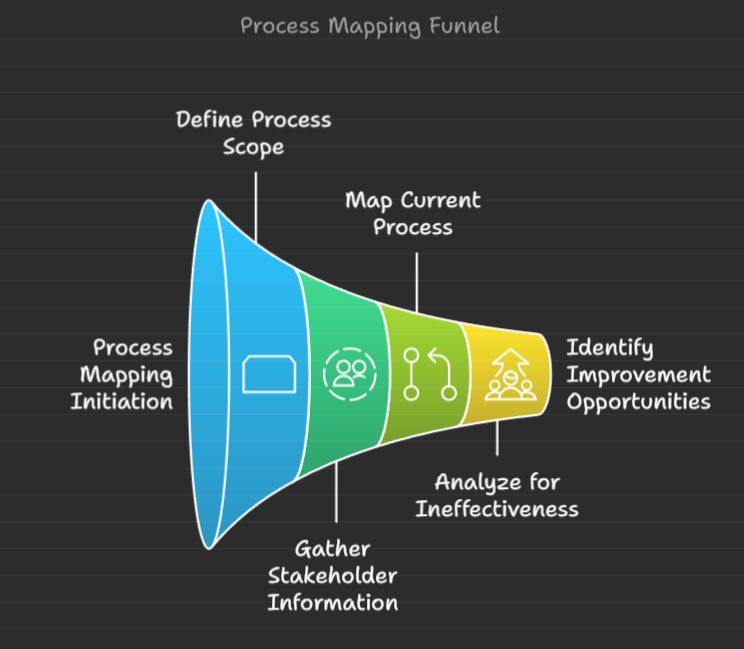
Why an Independent AI Auditor Changes What You Can Trust From AI Output
A single AI draft is a guess with confidence. Grading that draft with a second, independent AI against a fixed rubric is what turns it into something you can actually act on.

Lean Management System: Building Organizational Excellence
What a Lean management system actually is, the five principles that anchor it, and how leadership and culture turn Lean from a toolkit into a mindset.
Optimizing Lean Thinking: Managing Cognitive Load for Enhanced Efficiency
Why working-memory limits matter to Lean practitioners, and how workplace design, training and technology can reduce cognitive load to make Lean initiatives stick.
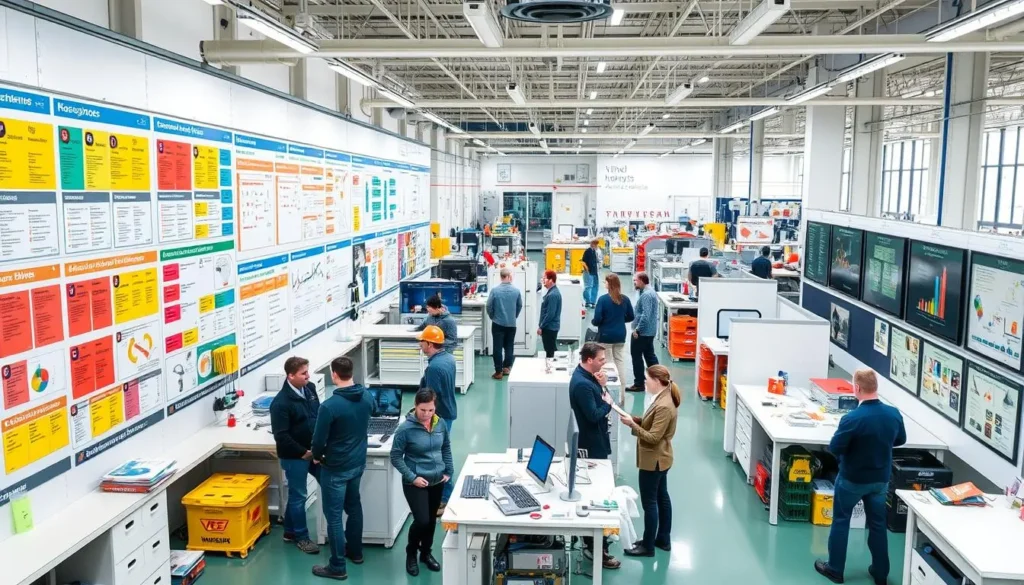
Top 25 Lean Tools For Continuous Improvement And Kaizen
A comprehensive guide to the top 25 lean manufacturing tools — from Value Stream Mapping and 5S to Kaizen, Six Sigma, and Total Quality Management.

Mastering Kaizen Events: A Guide to Driving Continuous Improvement in Your Organization
How to plan and run a Kaizen event — the five-day structure, common tools, real-world results at Toyota, Virginia Mason, Starbucks and Intel, and how to build a lasting Kaizen culture.
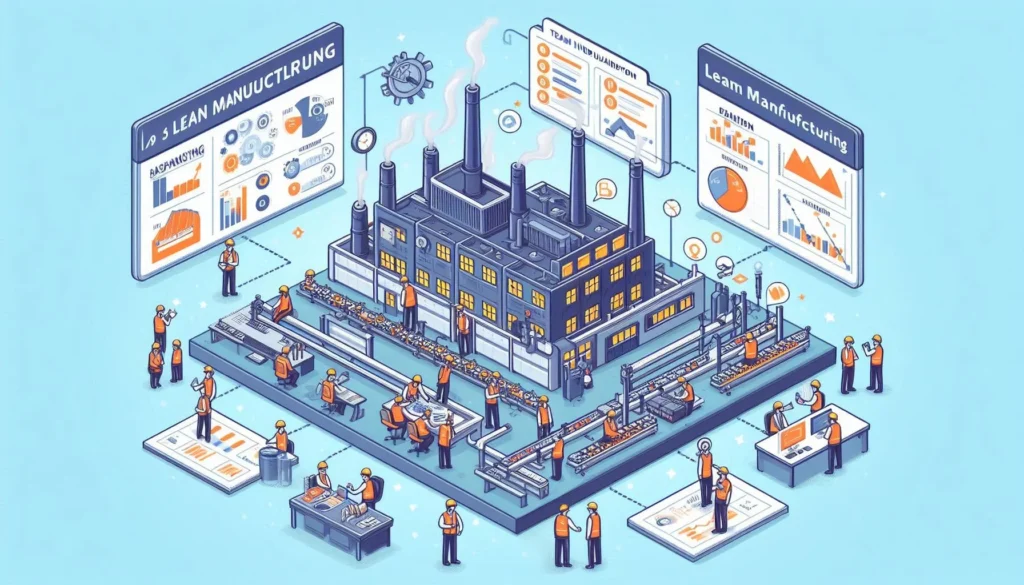
What is Lean? A Guide to the Lean Enterprise Principles
A comprehensive guide to Lean methodology — its five core principles, the eight wastes, implementation steps, and applications beyond manufacturing.

Value Stream Optimization: Create Breakthroughs through Visual Problem Solving
What value streams are, their history, how to map them step by step, and how visual problem-solving turbocharges the business.

Predictive Quality Control? How Toyota achieves 35% lower defects by detecting them before they happen
Have you ever wondered what it would cost your company if you could eliminate 35% of manufacturing defects before they even occur? A look at how predictive quality control shifts inspection from catching defects to preventing them.
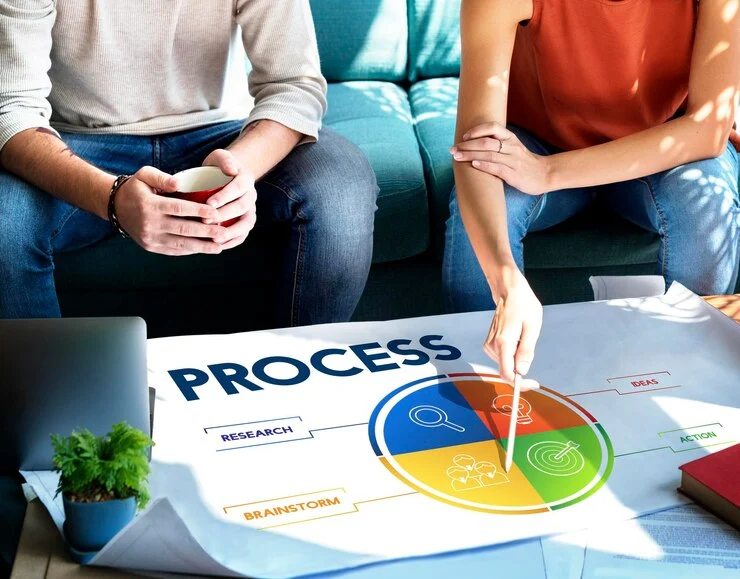
Exploring Types of Process Improvement Methodologies for Effective Improvement
In today's fast-moving business world, change is necessary to be ahead of the pack. This article examines some of the best methodologies for the enhancement of processes that will give your organization a competitive edge.
Productivity vs Efficiency: Leveraging Lean Manufacturing Principles for Success
Have you ever felt overwhelmed by endless tasks, wondering whether you're working efficiently or productively? Studies show that 70% of employees feel they are working hard but not achieving their best results.
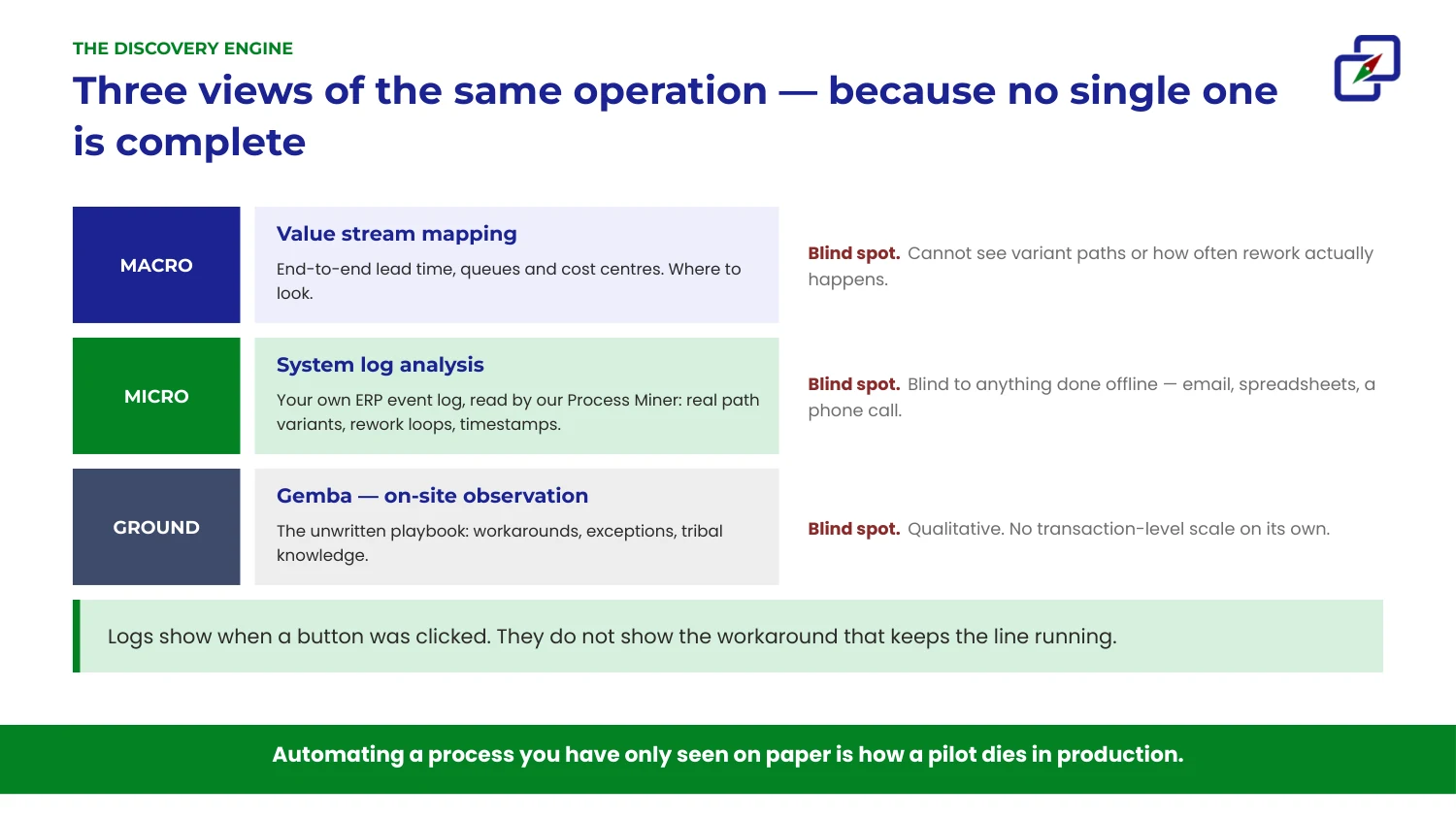
What Is a Gemba Walk? The Lean Practice of Going to See for Yourself
Gemba means 'the real place.' A Gemba walk is Lean's answer to the gap between what a process map says and what actually happens on the floor — what it is, why it matters, and its one real blind spot.